
6 min read • 1,343 words
What Is React Native and How Does It Work?
What Is React Native? It is a powerful framework designed for building mobile applications using JavaScript and React. This innovative technology allows developers to write code once and deploy it seamlessly on both iOS and Android platforms, significantly reducing development time and effort. By leveraging native components, React Native enhances performance compared to traditional hybrid apps, providing a smoother user experience. This is crucial for businesses and developers who aim to create high-quality applications that can compete in today’s fast-paced mobile market.
In this article, readers will learn about the core functionalities of React Native, including its hot reloading feature, which enables developers to see changes in real-time without the need for recompilation. Additionally, we will explore how React Native is maintained by Facebook and the benefits of its large, active community that contributes to its ongoing development and support. Understanding React Native is essential for anyone looking to excel in mobile app development.

Key Features of React Native
React Native is a powerful framework that allows developers to build mobile applications using JavaScript and React. One of its standout features is Hot Reloading. This functionality enables developers to see the results of their changes in real-time without the need to recompile the entire app. This not only speeds up the development process but also enhances productivity, as developers can quickly iterate on their designs and functionality. For instance, if a developer modifies a component’s style, they can immediately view the changes on their device or emulator without waiting for a full rebuild.
Another significant feature of React Native is its use of Native Components. Unlike other frameworks that rely on web components, React Native leverages native components from the host platform. This means that applications built with React Native can achieve a look and feel that is consistent with native apps, providing a superior user experience. For example, a button created in React Native will behave like a native button on both iOS and Android, ensuring that users have a seamless interaction regardless of the platform.
Additionally, React Native offers Cross-Platform Compatibility. Developers can write a single codebase that works on both iOS and Android devices, significantly reducing the time and effort required to maintain separate codebases for each platform. This feature is particularly beneficial for startups and small teams that need to launch their applications quickly and efficiently. By using React Native, they can focus on building features rather than worrying about platform-specific issues.
How React Native Works
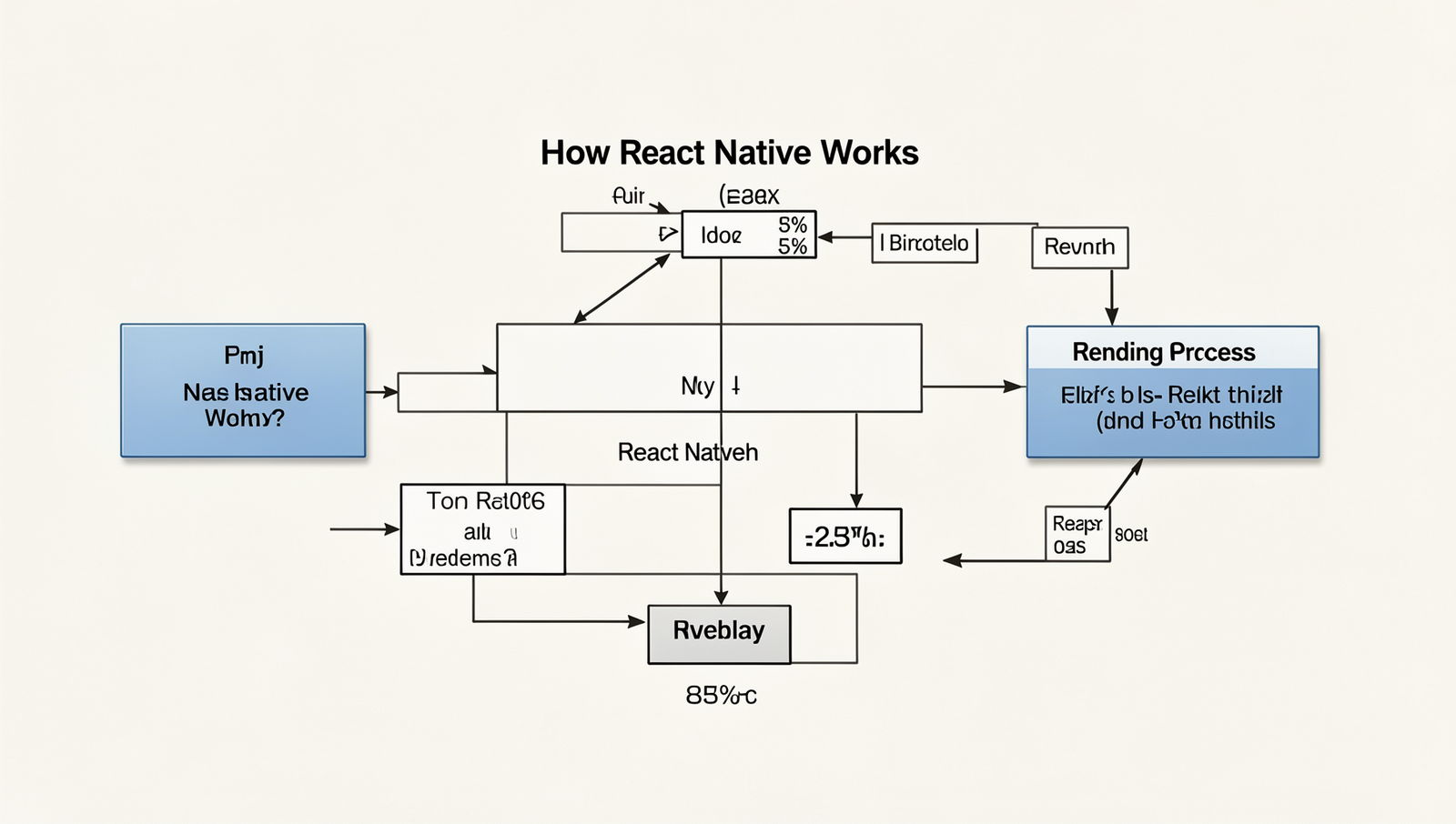
React Native operates on a unique architecture that enables seamless communication between JavaScript and native modules. This architecture is primarily based on a bridge that allows the JavaScript code to interact with the native components of the device. When a React Native application is run, the JavaScript code is executed in a separate thread, while the native components run on the main thread. This separation ensures that the app remains responsive, as the heavy lifting can be handled by the JavaScript thread without blocking the user interface.
The bridge plays a crucial role in this interaction. It sends asynchronous messages between the JavaScript side and the native side, allowing for efficient data exchange. For instance, when a user interacts with a button, the event is captured by the JavaScript code, which then communicates with the native module to perform the desired action, such as navigating to a new screen or fetching data from a device’s storage.
Another key aspect of React Native is its rendering process. React Native translates the components defined in JavaScript into native UI elements. This means that when a developer writes a component using React Native, it is not rendered as HTML but rather as native views specific to the platform, whether it be iOS or Android. This results in a more performant application that feels native to the user.
- JSX Syntax: React Native uses JSX, a syntax extension for JavaScript, which allows developers to define UI components in a familiar way. For example:
const MyButton = () => {
return (
In this example, the button is defined using JSX, which is then transformed into a native button when the app runs. This combination of architecture, rendering process, and JSX syntax makes React Native a powerful framework for building cross-platform mobile applications.

Getting Started with React Native
To dive into the world of mobile app development with React Native, it’s essential to set up your development environment properly. The first step is to ensure you have the necessary tools and prerequisites. You will need Node.js, which can be downloaded from the official website. Additionally, you should install the React Native CLI, which can be done using the following command:
npm install -g react-native-cliFor iOS development, Xcode is required, while Android development necessitates Android Studio. Make sure to configure the Android SDK and set up an emulator or connect a physical device for testing.
Once your environment is ready, you can create your first React Native app. This process is straightforward. Open your terminal and run the following command to initialize a new project:
npx react-native init MyFirstAppThis command will create a new directory named “MyFirstApp” with all the necessary files and dependencies. After the setup, navigate into your project folder:
cd MyFirstAppNow, you can start the development server with:
npx react-native startUnderstanding the project structure is crucial for effective development. Key folders and files include:
- android/ – Contains Android-specific code and configurations.
- ios/ – Contains iOS-specific code and configurations.
- App.js – The main component where you will write your application logic.
- package.json – Lists dependencies and scripts for your project.
With these foundational steps, you are well on your way to developing mobile applications using React Native.
Conclusion
In summary, React Native is a powerful framework that enables developers to build mobile applications using JavaScript and React. By allowing for the creation of native apps for both iOS and Android from a single codebase, it significantly reduces development time and costs. The framework’s component-based architecture promotes reusability and maintainability, making it easier for developers to manage their projects. Additionally, React Native’s ability to leverage native components ensures that applications perform well and provide a seamless user experience.
For those looking to dive into mobile app development, understanding What Is React Native is essential. The benefits of using this framework are clear, from faster development cycles to a vibrant community that offers extensive resources and support. As you consider your next steps, exploring tutorials, documentation, and community forums can provide valuable insights and guidance. Embracing React Native could be your gateway to creating innovative mobile applications that stand out in today’s competitive market.
Frequently Asked Questions
What is React Native?
React Native is an open-source framework developed by Facebook that allows developers to build mobile applications using JavaScript and React. It enables the creation of natively rendered apps for both iOS and Android platforms from a single codebase, enhancing development efficiency.

How does React Native work?
React Native works by using a bridge between JavaScript and native components. The framework translates JavaScript code into native components, allowing for smooth performance and a native look and feel. This approach enables developers to leverage existing native functionalities while using familiar web technologies.
What are the benefits of using React Native?
Some benefits of using React Native include faster development times due to code reusability, a large community for support, and the ability to create high-performance applications. Additionally, it allows for hot reloading, which speeds up the development process by enabling real-time updates.
Is React Native suitable for all types of apps?
While React Native is suitable for many applications, it may not be ideal for every type. Apps requiring complex animations or heavy graphics might benefit more from native development. However, for most standard applications, React Native offers a robust solution with significant advantages.