
7 min read • 1,526 words
What Is Web Development and How Does It Work?
Web development is a crucial aspect of the digital landscape, encompassing the processes involved in building and maintaining websites. When asking, “what is web development,” it is essential to understand that it includes various components such as web design, web content development, and both client-side and server-side scripting. This multifaceted field not only focuses on the aesthetic appeal of a website but also on its functionality and user experience. By mastering programming languages like HTML, CSS, and JavaScript, web developers create interactive and dynamic web applications that can be accessed through web browsers.
Understanding web development is vital in today’s technology-driven world. As businesses increasingly rely on online platforms, the demand for skilled web developers continues to grow. In this article, readers will learn about the different aspects of web development, including responsive design, which ensures that websites function seamlessly across various devices and screen sizes. This knowledge is essential for anyone looking to thrive in the digital age.
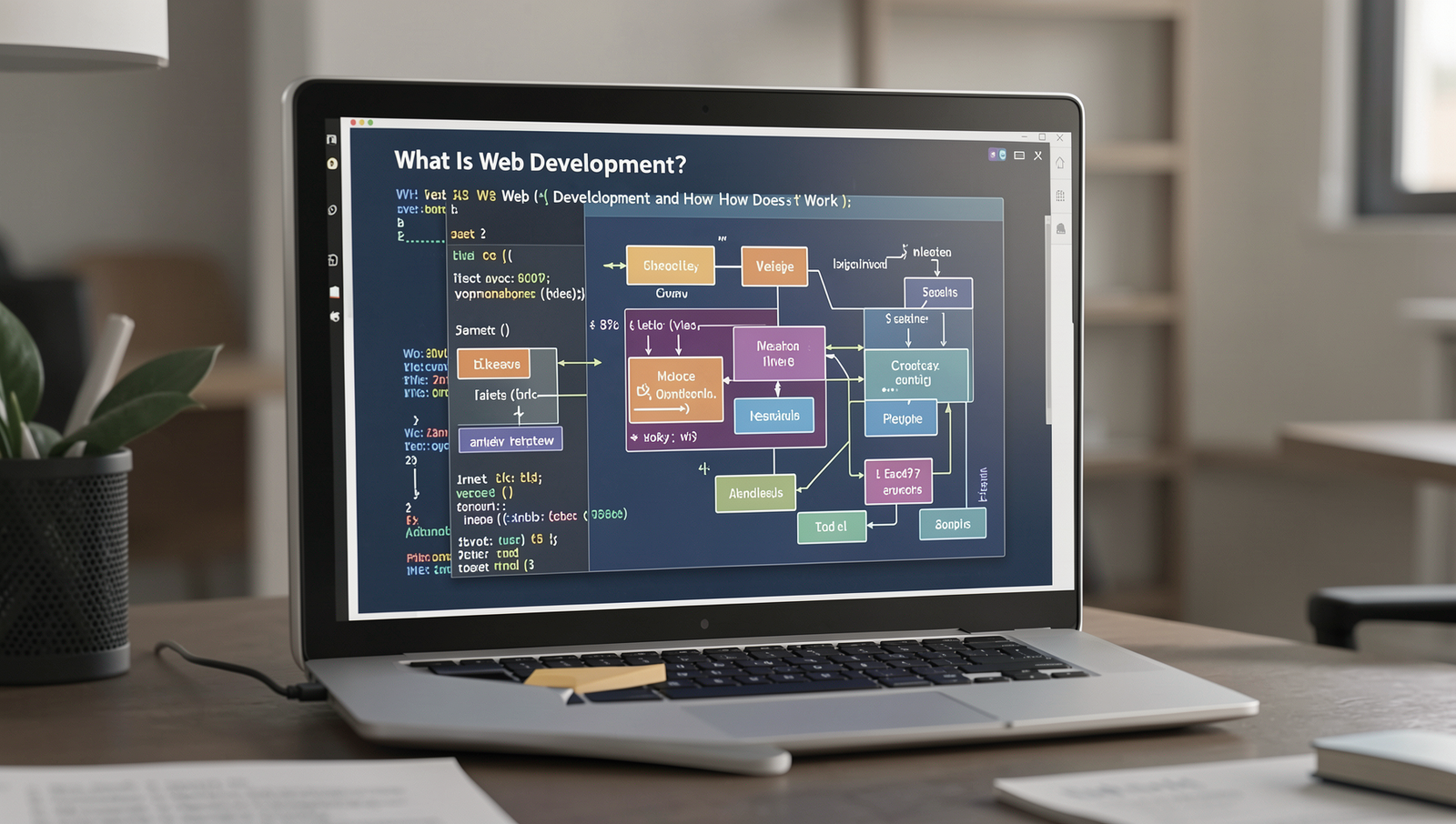
Essential Tools and Technologies for Web Development
Web development is a multifaceted field that requires a variety of tools and technologies to create functional and visually appealing websites. Understanding these essential tools can significantly enhance a developer’s efficiency and productivity.
One of the primary tools for any web developer is a code editor or Integrated Development Environment (IDE). Popular choices include:
- Visual Studio Code (VSCode): A powerful, open-source code editor that supports numerous extensions and features like debugging and Git integration.
- Sublime Text: Known for its speed and simplicity, Sublime Text offers a distraction-free writing environment and a robust set of features.
Version control systems are crucial for managing changes to code over time. Git is the most widely used version control system, allowing developers to track changes, collaborate with others, and revert to previous versions of their code when necessary. Utilizing platforms like GitHub or GitLab can further enhance collaboration and project management.
Frameworks and libraries play a vital role in web development by providing pre-written code to streamline the development process. Some popular frameworks and libraries include:
- React: A JavaScript library for building user interfaces, particularly for single-page applications.
- Angular: A comprehensive framework for building dynamic web applications, offering a robust set of tools for developers.
- Bootstrap: A front-end framework that simplifies web design with pre-designed components and responsive grid systems.
Lastly, testing tools are essential to ensure that websites function correctly across different devices and browsers. Tools like Jest for JavaScript testing and Selenium for automated browser testing can help developers maintain high-quality standards in their projects.

Getting Started with Web Development
Web development is an exciting field that combines creativity and technical skills. To embark on this journey, it’s essential to gather the right resources for learning. Numerous online platforms offer courses and tutorials tailored for beginners. Websites like Codecademy, freeCodeCamp, and Udemy provide structured learning paths that cover HTML, CSS, JavaScript, and more. Additionally, books such as “Eloquent JavaScript” and “HTML & CSS: Design and Build Websites” can serve as excellent references.
Once you have chosen your learning resources, the next step is to set up a development environment. This involves installing a local server to test your projects. Tools like XAMPP or MAMP can help you create a local server environment. You can install them easily and start developing your web applications without needing an internet connection. Furthermore, text editors like Visual Studio Code or Sublime Text are essential for writing and editing your code efficiently.
As you begin coding, adhering to best practices is crucial. This includes following coding standards such as using proper indentation, naming conventions, and commenting your code. Organizing your projects into folders for HTML, CSS, and JavaScript files can help maintain clarity and efficiency. For example, a simple project structure might look like this:
- my-project/
- index.html
- css/
- styles.css
- js/
- script.js
By following these steps, you will be well on your way to understanding what is web development and how to create your first website.
Conclusion
In summary, web development is a multifaceted field that encompasses the creation and maintenance of websites and web applications. It involves various disciplines, including front-end and back-end development, which work together to deliver a seamless user experience. Understanding what is web development is crucial for businesses and individuals looking to establish a strong online presence. The benefits of effective web development include improved user engagement, enhanced brand visibility, and increased conversion rates, all of which contribute to the overall success of a digital strategy.
As you consider your next steps in web development, whether for personal projects or professional endeavors, it’s essential to stay informed about the latest trends and technologies. Engaging with online resources, taking courses, and participating in developer communities can significantly enhance your skills. By investing time in learning what is web development, you position yourself to leverage the power of the web effectively, ultimately leading to greater opportunities in today’s digital landscape.
Real-World Examples
Understanding what web development entails can be greatly enhanced by looking at real-world examples. These examples showcase how various businesses and organizations utilize web development to create functional, user-friendly websites that serve specific purposes. From e-commerce platforms to informational websites, the applications of web development are vast and varied.
One prominent example is e-commerce websites. Companies like Amazon and eBay have revolutionized the way people shop online. These platforms rely heavily on web development to create a seamless shopping experience. Features such as product listings, shopping carts, user accounts, and payment gateways are all products of meticulous web development. The user interface (UI) is designed to be intuitive, allowing customers to navigate through thousands of products effortlessly. Additionally, back-end development ensures that inventory is updated in real-time, and security measures are in place to protect sensitive customer information.
Another example can be found in educational institutions. Many universities and online learning platforms, such as Coursera and Khan Academy, utilize web development to provide accessible education to a global audience. These websites often feature interactive elements like quizzes, video lectures, and discussion forums. The front-end development focuses on creating an engaging user experience, while back-end development manages course content, user data, and progress tracking. This combination allows students to learn at their own pace and access resources from anywhere in the world.
Non-profit organizations also benefit from effective web development. For instance, websites like Charity: Water and the World Wildlife Fund utilize web development to raise awareness and funds for their causes. These sites often include donation forms, impact stories, and volunteer opportunities. The design is crafted to evoke emotion and encourage visitors to take action, whether that means donating money or signing up for newsletters. Here, web development plays a crucial role in not only presenting information but also in facilitating engagement and community building.
In the realm of personal branding, professionals often create personal websites to showcase their portfolios. Designers, writers, and photographers use web development to create visually appealing sites that highlight their work. Platforms like WordPress and Squarespace provide templates that allow users to customize their sites without extensive coding knowledge. This democratization of web development empowers individuals to establish an online presence, attract clients, and network with others in their field.
Lastly, consider the impact of web development on government services. Many local and national government agencies have developed websites to provide citizens with easy access to information and services. For example, the U.S. government’s USA.gov site serves as a portal for citizens to find information on a wide range of topics, from taxes to health care. These sites often include features like online forms, chatbots for customer service, and interactive maps. The goal is to enhance transparency and make it easier for citizens to engage with their government.
In summary, the practical applications of web development are evident across various sectors. From e-commerce to education, non-profits to personal branding, and government services, web development plays a vital role in shaping how we interact with the digital world. Each example illustrates the importance of a well-developed website in achieving specific goals, whether they are commercial, educational, or social. Understanding what web development is and how it works is essential for anyone looking to navigate the modern digital landscape effectively.
Frequently Asked Questions
What is web development?
Web development refers to the process of creating and maintaining websites. It encompasses various tasks, including web design, coding, and server management. Web developers use a combination of programming languages and tools to build functional and visually appealing websites for users.
What are the main types of web development?
The main types of web development include front-end, back-end, and full-stack development. Front-end development focuses on the user interface, back-end development manages server-side operations, and full-stack development combines both aspects to create complete web applications.
What languages are commonly used in web development?
Common languages used in web development include HTML, CSS, and JavaScript for front-end development, while back-end development often utilizes languages like PHP, Python, Ruby, and Java. Each language serves a specific purpose in