7 min read • 1,531 words
Best Tools for Managing Software Projects in 2026
As we move into 2026, the landscape of software project management is evolving rapidly, driven by technological advancements and changing work environments. Understanding the Best Tools for Managing Software Projects in 2026 is crucial for teams aiming to enhance productivity and streamline workflows. This article will explore the latest tools that leverage AI, cloud technology, and augmented reality to revolutionize project management.
Readers will learn about AI-driven project management tools that automate task assignments based on team performance metrics, ensuring that the right tasks are allocated to the right individuals. Additionally, we will discuss the rise of cloud-based collaboration platforms, which are becoming essential due to the increasing trend of remote work. With real-time analytics and no-code solutions, even non-technical users can effectively manage projects, making these tools indispensable for modern software development teams.
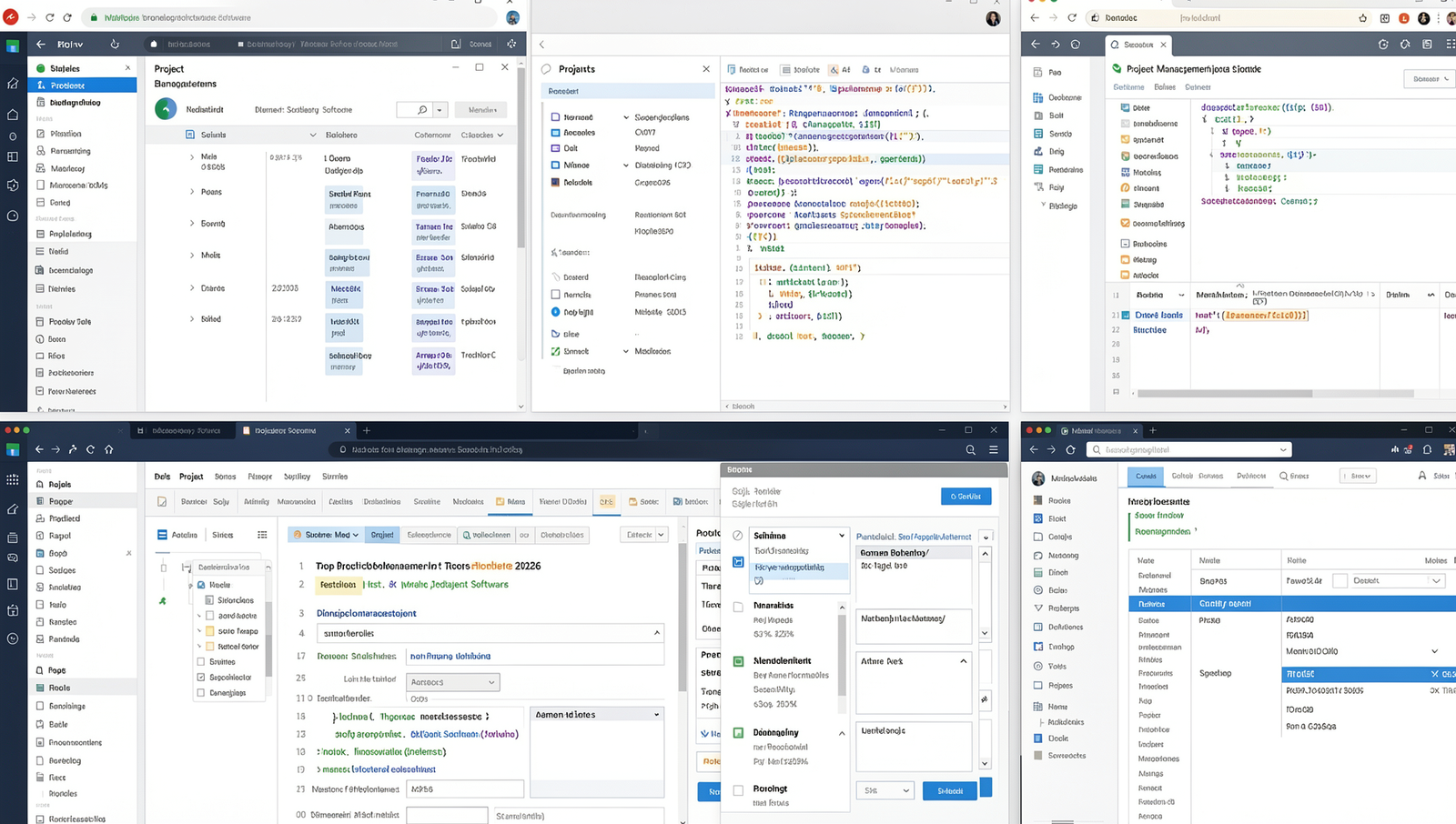
Top Project Management Software
As we look ahead to 2026, the landscape of project management software continues to evolve, offering a plethora of tools designed to enhance productivity and streamline workflows. The best tools for managing software projects in 2026 are characterized by their robust features, user-friendly interfaces, and seamless integration capabilities. Here, we explore some of the leading project management tools that stand out in the current market.
- Asana: Known for its intuitive task management features, Asana allows teams to create, assign, and track tasks effortlessly. Its collaboration tools enable real-time communication, making it easier for teams to stay aligned.
- Trello: Trello’s card-based system is perfect for visual project management. Users can customize boards to fit their workflows, making it a flexible option for various project types.
- Jira: Particularly popular among software development teams, Jira offers advanced reporting features and agile project management capabilities. Its integration with other development tools enhances its utility.
- Monday.com: This platform provides a highly customizable interface that allows teams to tailor their project management processes. Its automation features help reduce repetitive tasks.
When comparing these tools, it’s essential to consider features such as task management, collaboration, and reporting capabilities. User experience is also crucial; tools like Asana and Trello are praised for their clean interfaces, while Jira may require a steeper learning curve. Additionally, integration with other software, such as Slack or GitHub, is vital for ensuring a cohesive workflow across various platforms.
In conclusion, selecting the best tools for managing software projects in 2026 will depend on your team’s specific needs and preferences. Each tool offers unique features that can significantly enhance project management efficiency.

Emerging Technologies in Project Management
As we look forward to 2026, the landscape of project management is set to be transformed by emerging technologies. The integration of artificial intelligence (AI) and machine learning into project management tools is one of the most significant advancements. These technologies can analyze vast amounts of data to provide insights that help project managers make informed decisions. For instance, AI can predict project risks by analyzing historical data, allowing teams to proactively address potential issues before they escalate.
Automation is another key trend that will reshape how teams manage their workflows. By automating repetitive tasks such as scheduling, reporting, and resource allocation, project managers can focus on higher-level strategic planning. Tools like Trello and Asana are already incorporating automation features, enabling teams to streamline their processes and reduce the burden of manual tasks.
Moreover, the incorporation of virtual reality (VR) and augmented reality (AR) into project management tools is enhancing team collaboration. These technologies allow team members to visualize projects in a 3D space, making it easier to understand complex designs and workflows. For example, construction teams can use AR to overlay digital models onto physical sites, facilitating better communication and collaboration among stakeholders.
Lastly, blockchain technology is emerging as a game-changer for project management by providing secure and transparent transaction records. This can be particularly beneficial in managing contracts and ensuring accountability among team members. As we move towards 2026, the best tools for managing software projects will undoubtedly leverage these technologies to enhance efficiency and collaboration.

Collaboration Tools for Remote Teams
In the fast-evolving landscape of software project management, effective collaboration tools are crucial for remote teams. As organizations increasingly adopt flexible work arrangements, real-time communication tools have become indispensable. They facilitate seamless interactions, ensuring that team members can share ideas, provide feedback, and resolve issues promptly, regardless of their physical location. This is essential for maintaining productivity and fostering a collaborative culture.
In 2026, several collaboration platforms stand out for their robust features tailored to remote teams. Here are some of the top tools:
- Slack: Known for its user-friendly interface, Slack offers channels for organized discussions, direct messaging, and integration with numerous apps, making it a favorite among software teams.
- Microsoft Teams: This platform combines chat, video conferencing, and file sharing, allowing teams to collaborate in real-time while leveraging the power of Microsoft 365.
- Trello: While primarily a project management tool, Trello’s boards and cards facilitate team collaboration by visualizing tasks and progress, enhancing engagement.
- Zoom: Essential for virtual meetings, Zoom provides high-quality video and audio, along with features like breakout rooms for focused discussions.
To maximize the effectiveness of these tools, teams should adopt best practices such as setting clear communication guidelines, utilizing integrations to streamline workflows, and scheduling regular check-ins to maintain team cohesion. By leveraging the best tools for managing software projects in 2026, remote teams can enhance their collaboration, drive productivity, and achieve project goals efficiently.
Metrics and Analytics for Project Success
In the realm of software project management, understanding how to measure success is crucial. Key performance indicators (KPIs) serve as essential metrics that help teams gauge the effectiveness of their projects. Common KPIs include:
- Project completion rate
- Budget variance
- Time to market
- Team velocity
- Customer satisfaction scores
Utilizing tools that provide analytics and reporting features can significantly enhance a team’s ability to track these KPIs. Platforms like Jira, Trello, and Asana offer built-in analytics that allow project managers to visualize progress and identify bottlenecks. For instance, Jira’s reporting tools can generate burndown charts that illustrate how much work remains in a sprint, helping teams adjust their efforts accordingly.
Data-driven decision-making is key to improving project outcomes. By regularly reviewing metrics, teams can identify trends and areas for improvement. For example, if a project consistently exceeds its budget, a team might analyze resource allocation and adjust their planning strategies to better align with financial constraints.
Case studies illustrate the power of metric-driven projects. One notable example is a software development company that implemented a new analytics tool to track team velocity. By analyzing the data, they discovered that certain tasks were taking longer than expected. This insight led to process adjustments that improved efficiency by 30%, ultimately resulting in faster project delivery and higher client satisfaction.
In conclusion, the best tools for managing software projects in 2026 will heavily rely on metrics and analytics to drive success. By leveraging KPIs and data, teams can enhance their project management strategies and achieve better results.
Conclusion
In summary, the landscape of software project management is evolving rapidly, and the Best Tools for Managing Software Projects in 2026 are designed to enhance collaboration, streamline workflows, and improve overall productivity. As teams become increasingly distributed, tools that offer real-time communication, task tracking, and integration with other platforms will be essential. The emphasis on user-friendly interfaces and automation features will allow teams to focus more on their core tasks rather than getting bogged down by administrative overhead.
As organizations look to the future, it is crucial to evaluate and adopt these advanced tools that align with their specific needs. By investing in the right software project management solutions, teams can enhance their efficiency and adaptability in a competitive market. Embracing these tools will not only facilitate better project outcomes but also foster a culture of continuous improvement and innovation within software development teams.
Frequently Asked Questions

What are the top tools for managing software projects in 2026?
In 2026, some of the top tools for managing software projects include Jira, Trello, Asana, and Monday.com. These platforms offer robust features for tracking progress, managing tasks, and facilitating communication among team members, making them essential for successful project management.
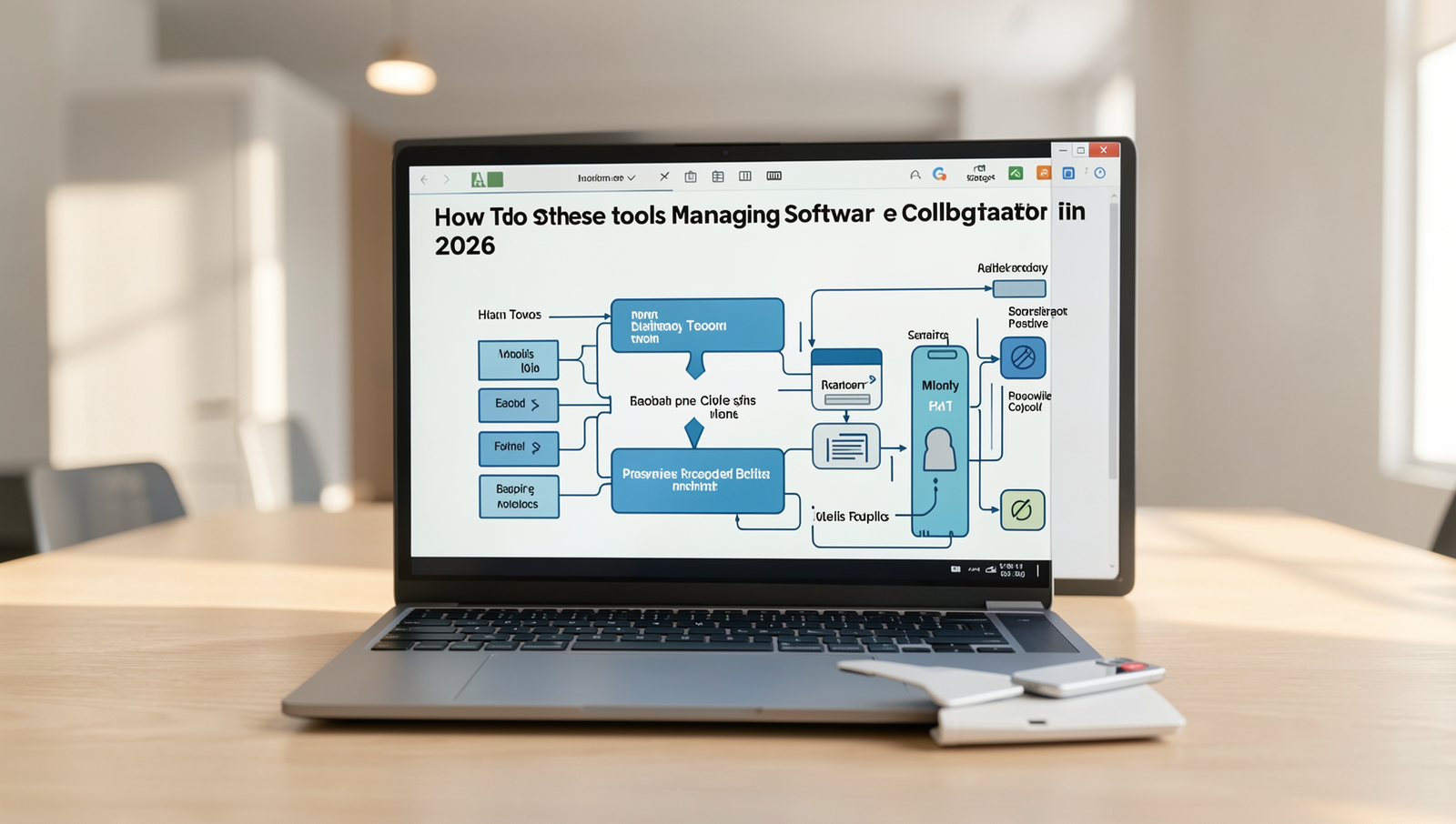
How do these tools improve team collaboration?
These tools enhance team collaboration by providing centralized platforms for communication, file sharing, and task management. Features like real-time updates, comments, and notifications ensure that all team members are aligned and informed, fostering a more cohesive working environment.
Are there any AI-driven project management tools?
Yes, several AI-driven project management tools are emerging in 2026. These tools leverage machine learning to predict project timelines, automate repetitive tasks, and provide insights into team performance, thereby streamlining workflows and enhancing overall efficiency.
What should I consider when choosing a project management tool?
When selecting a project management tool, consider factors such as ease of use, integration capabilities, scalability, and cost. Additionally, assess the specific needs of your team and projects to ensure the tool aligns with your workflow and objectives.